miércoles, 1 de febrero de 2017

Unit 1: Physical Geography

Here you can see a presentation partially related with the unit 1 in our book: a general overview about the Physical Geography

Pay attention because the order of the continents here is not the same than in our book. Except by that, the rest is quite similar and this presentation can be useful in order to study and understand the better this unit. 

The best way to prepare this unit, in addition of our lessons, the blog and our book, is to play with THIS WEBPAGE. Notices you can select language, so you can play the same maps in Spanish and English. Practice most as you can and have fun! ;-) 


You can prepare Unit #2 with the help of two presentations:

1) Presentation #1: Available through THIS link

2) Presentation #2: Abailable through THIS link


We will prepare this unit with the help of a couple of resources:

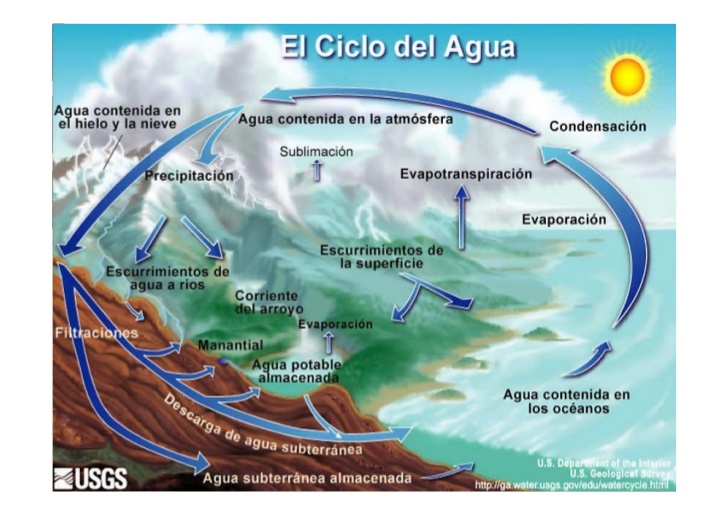
1) HERE you can watch a presentation in Power Point related with the water cycle 

2) HERE you can watch another blog with some resources (videos, sketches, activities, etc...) related with the unit



jueves, 26 de enero de 2017

Compulsory reading: Jules Verne´s "Around the world in 80 days"

As a compulsory activity for 3ro E.S.O., you have to read the famous novel "Around the world in 80 days", by Jules Verne. It is a magnificent advertures book, focused to the European vision of the world in the XIXth century. 

You can find the full text of the novel HERE


martes, 24 de enero de 2017

Problems with atmospheric pressure

Here you can watch some videos about problems related with the atmospheric pressure:

1) Chapter of "Desafío Extremo" with Jesús Calleja. They climb the Kilimanjaro very well-prepared, but some of the tourists suffer the altitude sickness (mal de altura).

2) El "síncope de la apnea" for scuba divers, specially those without any oxigen equiptment (inmersión por apnea)

3) Problems with the pressure in the cabin in a comercial flight


However, remember these situations are produced by incorrect human behaviors. It is necessary to respect Nature and also the limits of the human body, but it is no good to be scared neither. You can practice all these activities and sports if you want, but always been responsible and following a very correct equipment and previous preparation :-)

martes, 22 de noviembre de 2016

Unit 12: The XVII th Century

In this link you have a good presentation about the Unit 4 from our book, focused to the XVIIth Century in Europe, the Hispanic Monarchy and the colonies. 


Here you are the final scene of the Spanish movie "Alatriste", based upon the novels of Arturo Pérez Reverte. This scene is placed on the Battle of Rocroi (1,643), the first defeat of the Spanish Tercios. This battle decided the sign of the Thirty Years War (1,618-48), when Spain lost the European hegemony in favour of France.  


2/3 of this presentation, after the main contents in demography, economy and politics, are focused about the History of art, with many examples from the Baroque in architecture, sculpture and painting throughout Spain and Europe.  


On the other hand, the previous presentation ignores the English Revolution (actually, at least two different social and political processes) in the XVII th Century. You can learn something about these facts here and here. As usual, all these materials are simple supports to the contents present in our book and explained in the class. 


lunes, 21 de noviembre de 2016

Working with graphs: some data about the Spanish Empire

This is a graph related with the "PRICE REVOLUTION" in Spain in the XVIth Century


This second graph is about the evolution of the Spanish population


jueves, 10 de noviembre de 2016

Work with texts: fragments of the 2nd and 4th Hernán Cortés´ "Cartas de Relación"

In this link you will find a primary source for History. It is some fragments of the "Cartas de Relación" (more accurately, some parts of the 2nd and the 4th ones). 

The "Cartas de Relación" were the chronicles that Hernán Cortés himself sent to Charles V, Emperor of the Roman Germanic Holy Empire and also king of the Hispanic Monarchy (with the name of Charles I) at that time. The aim of these documents, thus, it is to summarize and to inform the Spanish crown about the process of conquest, colonization and settlement in Nueva España (Northern and Central America).

Here you can find some key concepts to understand the process of the Spanish conquests, specially in the Aztec Empire. 

Read the text and answer these questions. You have to the monday Novembre, 9th (so, after our exam) to give your exercise to the teacher:

1- Focus: Where and when is written this texts? Who is the author? To whom are these documents adressed? What kind of text do you think it is? (economic, social, politic, religious, laws, managing, historial, literary, a handbook, etc...)

2- Internal analysis: What are the main ideas of this text? What geographic discoveries do the Spaniards in the paragraph #2 (page 3)? How is the treatment from Moctezuma to the conquistadores? What did he think about them? Does he recall any Aztec myth? What is the role of the Cortes´men on it?

On the other hand: How is the description of Tenochtitlán made by Cortés?. Name some of the main characteristics he recognized in that city. In general, do you think his writing is in good or bad terms?

On the 4th Carta, what he is asking to the Emperor? the arrival of whom and for which purpose? What he says about the settlement of Spaniards in new lands? What habits he is complaining about?


3- External commentary: Write half a sheet relating this Cartas from Cortés with the contents in our book.